


Some towns ask to be visited, but Ripley asks to be read.
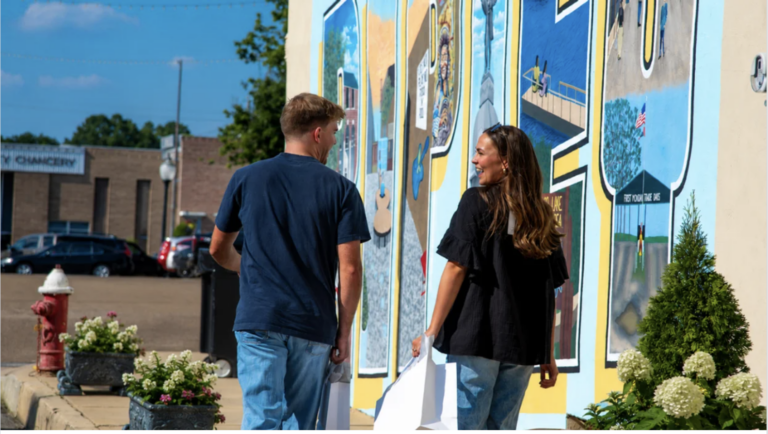
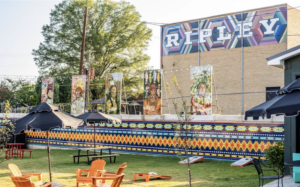
It’s the type of town that seems to understand, instinctively, that a good Southern day ought to unfold with a little mystery and a little grace. You arrive and the town begins to open itself slowly, like a novel left faceup on a porch table, its pages turning in the breeze whether you touch them or not. The morning has a way of drawing you downtown, where murals brighten old brick and the square holds its own quiet charm. By afternoon, the market crowds gather under tents. By evening, the blues starts talking back from the walls. Ripley’s literary identity is the frame for everything else, the sense that each street, mural, gathering place, and song belongs to the same unfolding narrative. You do more than pass through Ripley; you move through scenes and the town keeps offering new characters, new layers, and new reasons to slow down.